Part One:
To begin, I disagree with the arguments listed against children's literature. For this post, I will vouch for the book The Girl Who Drank The Moon by Kelly Barnhill to be included in my district's curriculum. The school board says, "No one around here knows anything about it. If it was really worth knowing, we’d have heard about it." In response to this claim, I would like to make apparent how incredibly worthy and well-known The Girl Who Drank The Moon by Kelly Barnhill truly is. For starters, this book won the John Newbery Medal in 2017. This national award is given "to the author of the most distinguished contribution to American literature for children" (ALSC 1). If this prestigious children's literature award isn't persuasive enough, many media platforms such as news outlets offered recognition for the book's significance as well. Some media platforms include; MPR (link) and Twin Cities Pioneer Press (link). In addition, as teachers, it's our responsibility to know a wide variety of literature and bring the ones we truly believe are worthy into the classroom. Alongside receiving recognition and winning a well know, exclusive, and honorable award, there are many other components in this book that factor into its exceptional value and undoubtable worth. The Girl Who Drank The Moon is a book that is heard of by many, worthy, and ultimately deserves a place in the classroom. Next, the school board asks, "Why have kids spend time in class reading something they can easily read on their own?" My answer to this is that it's all about the reading experience. Sure children can read books on their own and get enjoyment out of them, but reading a book in a classroom setting completely transforms the reading experience into something that allows students to fully absorb all that the book has to offer. Spending time in class reading a book promotes class discussions about the characters, settings, themes, and so much more that gives the students a deeper connection and understanding of the work of literature. As teachers, we must know enough about dramatic techniques and oral interpretations that we are able to read aloud to students to help enrich their reading experience and really help them get lost in a novel. Furthermore, the book The Girl Who Drank The Moon by Kelly Barnhill would be a great opportunity for this exact type of enriching reading experience. The book is filled with an abundance of magic, intriguing characters, and a mysterious setting that would make for amazing classroom discussions that further engage students with literature and expand their overall reading experience. All in all, the John Newbery Medal Award winning book The Girl Who Drank The Moon by Kelly Barnhill would bring extensive value and enjoyment into the classroom and should be included in the district's curriculum.
Part Two:
Both children's and young adult literature are branches of literature that are made for specific age groups depending on monumental moments/experiences/things that happen at those ages.
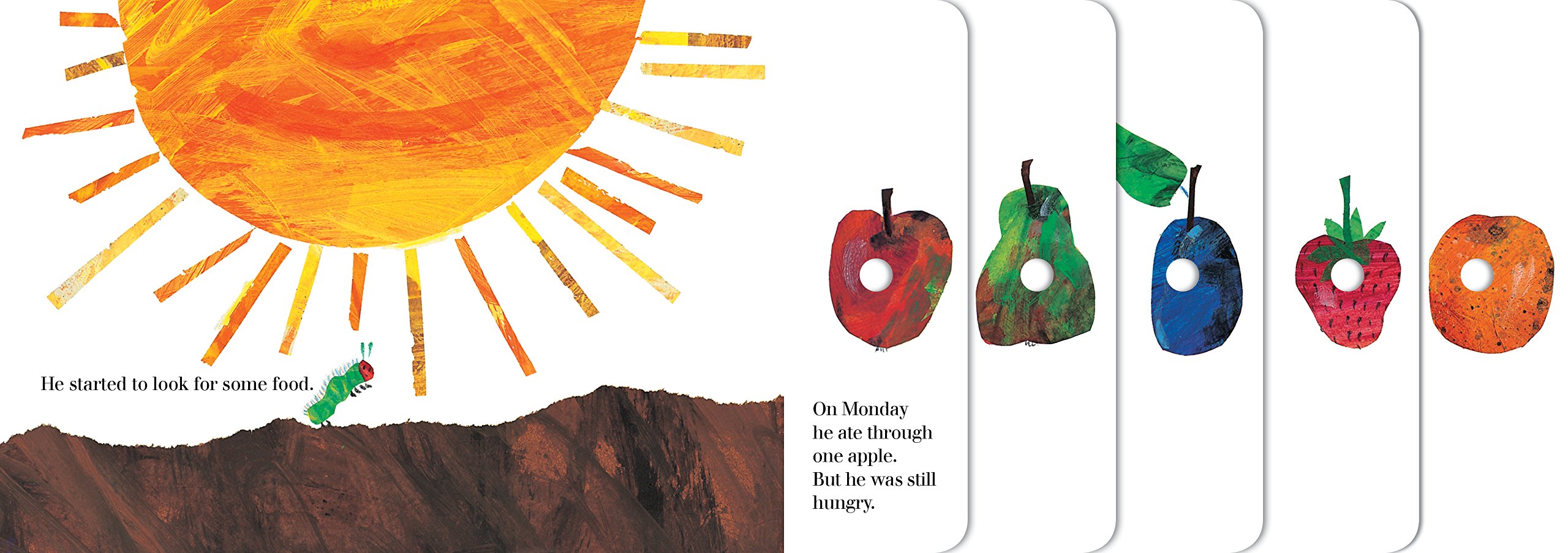
Beginning with children's literature, it's aimed for a young audience (although can be read at other ages too). In children's literature books, the main character is often a child, animal, or object that resembles something young readers can relate to. The books depict challenges and struggles that a child would face to teach them important lessons, like how to overcome them. Children's literature is filled with lessons because children's books are read during a crucial time in a child's development and can have a great impact on that development. Another significant aspect of children's literature is that they are filled with colors and illustrations. From this class, I have learned how truly important illustrations are in children's literature. They help children have a better understanding of the story, draw connections between words and objects/things, and teach children another form of communication other than words--art. This helps children become more creative and sparks their own imaginations. All in all, if I had to define children's literature it would be: literature made to enhance development, teach lessons, and spark joy in young readers. One children's book that we've discussed in class that I think is a perfect example of all these qualities of children's literature and my own definition of children's literature is The Very Hungry Caterpillar by Eric Carle. This book is filled with beautiful illustrations that do an amazing job at helping its young readers create associations between words and objects. An example of this is when it says in the book, "On Monday he ate through one apple. But he was still hungry" and it shows an illustration of an apple right above the words. This shows the reader that the word "apple" and the drawing of the apple are associated with each other. Not only does this children's book teach children associations, but it also furthers their development as they expand their knowledge. Below is a photo of the page I am referring to for a visual.
Onward to young adult literature, its intended audience is adolescents (although can be read at other ages too). In young adult novels, one main theme is that they talk about real-life issues that are sometimes harder to talk about. They discuss challenges, emotions, experiences that adolescents/teenagers can relate to. These books are important because since they are relatable and talk about challenging topics, they give teens something to feel like they're not alone. These books can be many different genres, as we've seen by the genres of the ones we've read in this class. If I had to define young adult literature, I would define it as literature that expresses relatable challenges and experiences that adolescents have, both good and bad. One book that just screams young adult literature to me that we've read in this class is Aristotle and Dante Discover the Secrets of the Universe by Benjamin Alire Sáenz. This book is the perfect example of a young adult novel because it talks about real issues that adolescents face. Some of the real-life challenges depicted in this book include struggling with sexuality, love, strained family relationships, distant parents (the dad in the beginning), complex emotions, and much more. A significant quote from the end of the book that I think represents this is, "All this time I had been trying to figure out the secrets of the universe, the secrets of my own body, of my own heart" (Sáenz 358). This was said at the end when one of the main characters (Ari) finally feels at ease about his sexuality and self-worth, two real-life concepts that many adolescents struggle with. In addition to that, I think many adolescents can relate to trying to figure out/understand themselves during their teenage years. Ultimately, even if one can not relate to a young adult novel, they can still learn from it and find enjoyment in the story. One can be educated on what others might be struggling with, as young adult novels spread awareness of the challenges many young adults encounter in real life.
Ultimately, although both children's and young adult novels can be used as learning tools, they are also a great source of entertainment and joy.


